
Fine Art
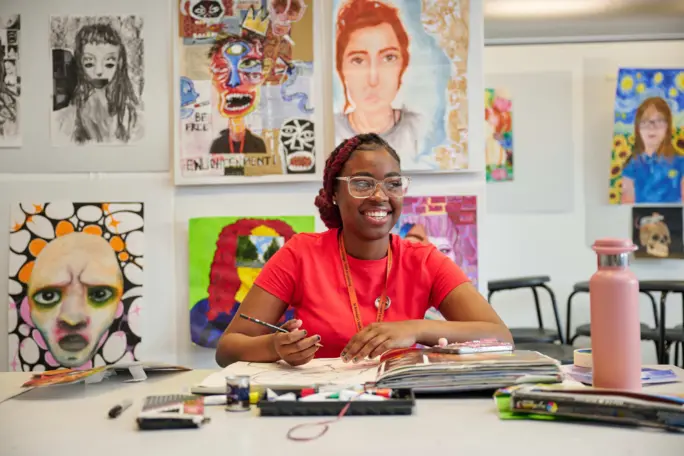
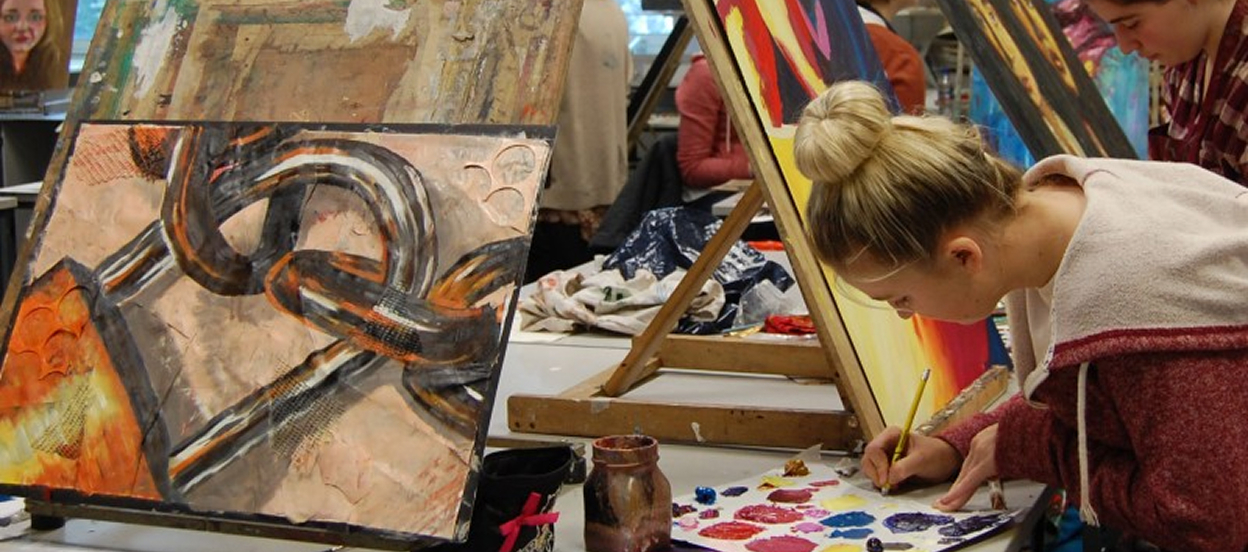
Fine Art A Level offers you the opportunity to use creativity to express yourself and record the world around you. You’ll develop your understanding of creative processes and your ability to observe, problem‑solve and communicate ideas visually, verbally and in writing.
You’ll work independently and make your own discoveries by exploring ideas, artists’ work and a wide range of materials and techniques. This course is ideal if you enjoy creative experimentation and developing personal responses through art.
- Qualification
- A Level
- Exam Board
- OCR
- Duration
- 2 years
Why study Fine Art at St Brendan’s?
Fine Art at St Brendan’s allows you to explore ideas in depth while developing independence and confidence as a creative practitioner. You’ll be encouraged to experiment, take creative risks and develop your own visual language through guided and self‑directed work.
With specialist teachers, supportive studio tutorials and opportunities to present your work publicly, the course helps you grow both artistically and academically.
Entry requirements
- 5 GCSEs at grade 4 or above
- GCSE English Language or English Literature at grade 4 or above
- GCSE Art or another creative art subject at grade 4 or above (essential)
- GCSE Maths at grade 3 or above
- Portfolio guidance: You must bring 5 images showing your strongest work. This may include GCSE work, summer tasks or recent independent projects. Portfolios can be digital or physical. If you forget to bring a portfolio, you’ll complete a 45‑minute creative task at enrolment to secure your place.

Course examination breakdown
What else do I need to know?
5 GCSEs at grade 4 or above
GCSE English Language or English Literature at grade 4 or above
GCSE Art or another creative art subject at grade 4 or above (essential)
GCSE Maths at grade 3 or above
Year 1: You’ll focus on developing core Fine Art skills through a series of projects designed to build confidence and technical ability. You’ll explore a wide range of techniques, processes and materials through experimentation before applying these skills in increasingly independent ways.
Year 2: You’ll complete two units of work, choosing your own areas of study with guidance from Fine Art staff. You’ll explore your chosen theme, idea or issue in depth and are encouraged to take an experimental, innovative and enquiring approach. You’ll also complete a related written study of 1,000–3,000 words as part of your personal investigation.
Skills developed
- Creative and visual communication
- Independent working and time management
- Problem solving and experimentation
- Critical analysis and reflection
- Portfolio development and presentation
You’ll be given a thorough grounding in core skills through practical experimentation across a wide variety of media. Teaching includes studio‑based learning, demonstrations, independent work, 1:1 tutorials, group critiques and peer assessment.
In Year 2, focused studio time allows you to explore ideas in depth, plan effectively and produce final outcomes with ongoing teacher support.
Assessment is entirely coursework‑based and includes practical work, sketchbooks and written elements. You’ll receive continual support through regular feedback, reflection and critical analysis of your work.
Students are expected to complete a minimum of 4.5 hours of independent study per week outside of lessons to support progress.
- Specialist Fine Art studios
- Access to a wide range of materials and media
- 1:1 studio tutorials and critique spaces
- Opportunities to exhibit work in a public end‑of‑year Creative Arts exhibition
Studio kit fee of £119.66 - this kit has all the essentials needed to complete the course and must be purchased before the start of the course. There is a guidance document on this website page which explains details.
Bursary support covers the cost of this kit
Additional costs for specialist materials or printing depending on individual projects
Trip costs are the responsibility of the student
Fine Art may be taken alongside other creative subjects such as Photography, Graphic Communication or Textile Design. However, students should carefully consider workload, as creative subjects are highly practical and time‑intensive. Students can do a maximum of two creative subjects.
Your Personal Tutor and subject teachers will help you choose a subject combination that is manageable, balanced and appropriate for your future goals.
Fine Art A Level supports progression into a range of creative and academic pathways. Many students progress to:
- Art and Design degrees (Fine Art, Illustration, Graphic Design, Fashion, Architecture)
- Art Foundation courses
- Creative apprenticeships
The portfolio developed during the course plays an important role in supporting university and course applications, as well as creative progression beyond college.
Trips and visiting speakers are organised throughout the year to inspire students and broaden their understanding of Fine Art and creative practice.

Progression opportunities
Related courses
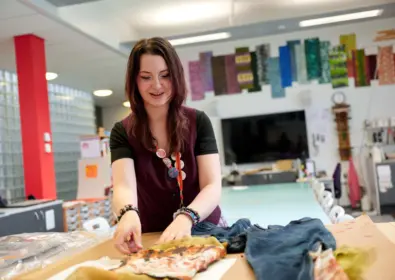
Textile Design
A LevelA Level Textile Design encourages students to develop their individual creativity through practical exploration and design. Working on proje…
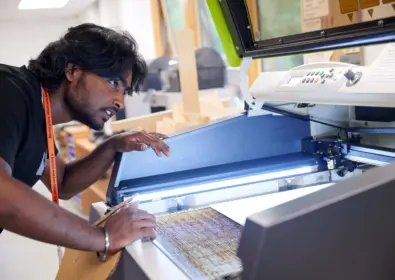
Product Design
A LevelProduct Design A Level gives you the opportunity to create, innovate and solve real‑world problems through design. You’ll explore how aesthe…
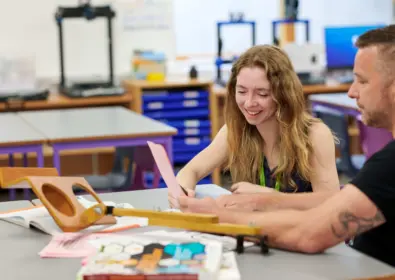
Design Engineering
A LevelDesign Engineering A Level gives you the opportunity to create, innovate and solve real‑world problems through engineering design. You’ll ex…

More than a Sixth Form - a community
 George
A-Level Psychology
"St Brendan’s has given me so much confidence, both academically and personally. The support from teachers really helped me achieve more than I thought I could."
George
A-Level Psychology
"St Brendan’s has given me so much confidence, both academically and personally. The support from teachers really helped me achieve more than I thought I could."
George
A-Level Psychology
"St Brendan’s has given me so much confidence, both academically and personally. The support from teachers really helped me achieve more than I thought I could."
George
A-Level Psychology
"St Brendan’s has given me so much confidence, both academically and personally. The support from teachers really helped me achieve more than I thought I could."

Why choose St Brendan's Sixth Form College
St Brendan's is the only specialist Sixth Form College in the Bristol, Bath, South Gloucestershire and North Somerset area. We are the only provider in the region able to offer A-levels and BTECs in over 60 different subjects at Level 3, and a varied selection at Level 2. Even more importantly, you can select any combination of subjects – each student has their own bespoke timetable. With so much on offer, we will help you make the best choice for you.