
Graphic Communication
Graphic Communication A Level encourages creative thinking and focuses on communicating ideas and information in a visual and engaging way. You’ll explore the relationship between typography and image, leading to a wide range of graphic design outcomes.
This course is ideal if you enjoy visual problem‑solving, creative experimentation and working with both digital and traditional design processes. At St Brendan’s, you’ll build skills gradually before developing more independent design work.
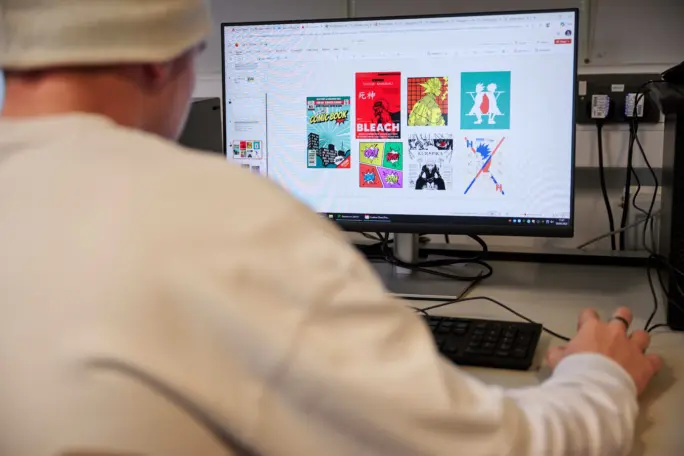
- Qualification
- A Level
- Exam Board
- OCR
- Duration
- 2 years
Why study Graphic Communication at St Brendan’s?
Graphic Communication at St Brendan’s helps you become a confident visual communicator. You’ll develop practical design skills while learning how to communicate messages clearly and creatively through image, text and layout.
Entry requirements
- For enrolment, you must meet one of the following:
- GCSE grade 4 or above in an art or design‑based subject
- OR
- Bring a portfolio to enrolment showing the skills and potential to succeed
- General entry requirements:
- 5 GCSEs at grade 4 or above
- GCSE English Language or English Literature at grade 4 or above
- GCSE Maths at grade 3 or above
- If a portfolio is required, you should bring 5 images showing your strongest work. This may include GCSE work, summer task work or recent independent projects. Portfolios can be digital or physical.
- If you forget to bring a portfolio, you’ll complete a 45‑minute creative task at enrolment.

Course examination breakdown
What else do I need to know?
For enrolment, you must meet one of the following:
GCSE grade 4 or above in an art or design‑based subject
OR
Bring a portfolio to enrolment showing the skills and potential to succeed
General entry requirements:
- 5 GCSEs at grade 4 or above
- GCSE English Language or English Literature at grade 4 or above
- GCSE Maths at grade 3 or above
If a portfolio is required, you should bring 5 images showing your strongest work. This may include GCSE work, summer task work or recent independent projects. Portfolios can be digital or physical.
Year 1
You’ll explore graphic design in its widest sense through coursework projects and theoretical knowledge. Topics include:
- Typography
- Advertising
- Packaging
- Illustration
- Photography
You’ll develop digital skills using design software alongside traditional methods such as drawing and printmaking, learning how to produce effective graphic design solutions.
Year 2
You’ll choose your own area of study and set personal design briefs, building on the skills developed in Year 1. Work becomes increasingly independent, with guidance and support from staff.
You’ll also complete a Personal Investigation, which includes a written study about a designer or artist.
Skills Developed
Throughout the course, you’ll build skills in:
- Visual communication and design thinking
- Creative problem solving
- Independent project management
- Digital and traditional design techniques
- Research, analysis and written reflection
Teaching combines practical studio work, digital design sessions, demonstrations, project briefs and ongoing guidance. You’ll develop skills progressively before applying them in more independent design projects.
Teachers support you through regular feedback, helping you reflect on your ideas, processes and outcomes.
Assessment is 100% coursework‑based and completed across two units by the end of Year 2. Your work includes practical outcomes, supporting sketchbooks and written elements.
You’ll receive continuous feedback throughout the course to help you refine ideas, improve technical skills and strengthen your final outcomes.
- Dedicated Graphics studio
- Computers with Adobe Creative Suite
- Graphic drawing tablets
- Mini photography studio
- A1 printer and A3 sublimation printer
- Space for printmaking and practical design work
Students may need to cover costs for specialist printing, materials or resources depending on individual project choices. Any additional costs linked to personal project requirements will be discussed in advance to help you plan effectively.
Graphic Communication may be taken alongside Photography, Fine Art or Textile Design. As creative subjects are practical and time‑intensive, you should consider workload carefully. Only two creative subjects are permitted.
Your Personal Tutor will help you choose a subject combination that supports both your wellbeing and future progression.
Graphic Communication A Level supports progression into:
- Graphic Design, Illustration or Visual Communication degrees
- Art Foundation courses
- Creative apprenticeships
- Design‑related pathways where visual communication skills are valued
The portfolio developed during the course plays a key role in supporting further study and creative progression.
Enrichment opportunities support your development as a graphic designer by encouraging wider creative exploration and independent thinking. Throughout the course, you’ll build your portfolio through extended project work and develop a deeper understanding of graphic design practice beyond the classroom.
These experiences help you experiment, refine ideas and strengthen your personal design approach.

Progression opportunities
Related courses
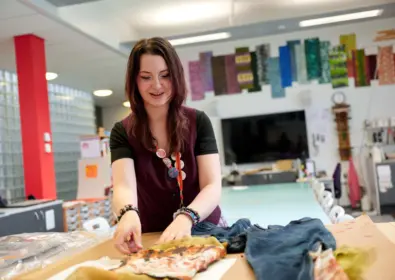
Textile Design
A LevelA Level Textile Design encourages students to develop their individual creativity through practical exploration and design. Working on proje…
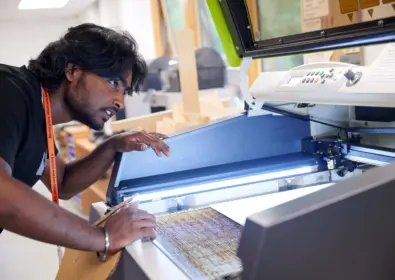
Product Design
A LevelProduct Design A Level gives you the opportunity to create, innovate and solve real‑world problems through design. You’ll explore how aesthe…
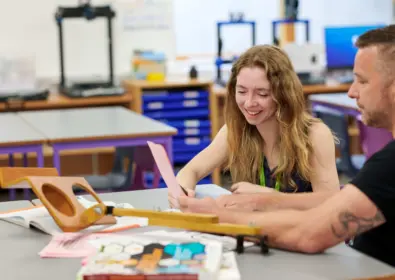
Design Engineering
A LevelDesign Engineering A Level gives you the opportunity to create, innovate and solve real‑world problems through engineering design. You’ll ex…