
Photography
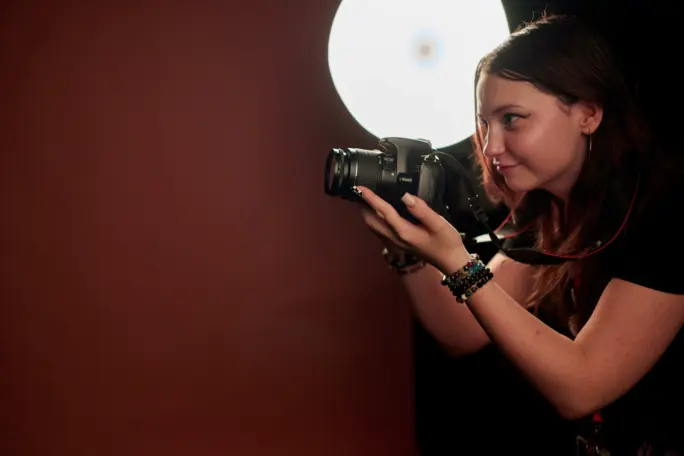
Photography A Level encourages freedom of expression and focuses on communicating ideas, thoughts and feelings, as well as documenting moments, through the medium of photography. You’ll explore both traditional and modern techniques while developing creative and technical confidence.
The course is ideal if you enjoy taking photographs, experimenting creatively and exploring the world through a lens, while building an independent photographic style.
- Qualification
- A Level
- Exam Board
- OCR
- Duration
- 2 years
Why study Photography at St Brendan’s?
Photography at St Brendan’s gives you the freedom to experiment creatively while developing technical skills using professional equipment and industry‑standard software. You’ll be encouraged to push ideas, try new approaches and refine your own photographic voice.
With a balance of workshops and independent projects, the course helps you develop confidence, creativity and independence as a photographer.
Entry requirements
- For enrolment, you must meet one of the following:
- Grade 4 or above in an arts or design‑based subject
- OR
- Bring a portfolio to enrolment showing the skills and potential to succeed
- General entry requirements:
- 5 GCSEs at grade 4 or above
- GCSE English Language or English Literature at grade 4 or above
- GCSE Photography is useful but not essential
- GCSE Maths at grade 3 or above
- A keen interest in taking photographs and exploring ideas through photography
- Portfolio guidance:
- You must bring 5 images showing your strongest work. This may include GCSE work, summer tasks or recent independent projects. Portfolios can be digital or physical.
- If you forget to bring a portfolio, you’ll complete a 45‑minute creative task at enrolment to secure your place.
What else do I need to know?
For enrolment, you must meet one of the following:
Grade 4 or above in an arts or design‑based subject
GCSE Maths at grade 3 or above
OR
Bring a portfolio to enrolment showing the skills and potential to succeed
General entry requirements:
- 5 GCSEs at grade 4 or above
- GCSE English Language or English Literature at grade 4 or above
- GCSE Photography is useful but not essential
- A keen interest in taking photographs and exploring ideas through photography
Portfolio guidance:
You must bring 5 images showing your strongest work. This may include GCSE work, summer tasks or recent independent projects. Portfolios can be digital or physical.
If you forget to bring a portfolio, you’ll complete a 45‑minute creative task at enrolment to secure your place.
Year 1
You’ll complete a series of photography workshops alongside longer photographic projects. You’ll explore a wide range of image‑making methods and develop the creative thinking and technical skills needed for independent work.
Year 1 focuses on building confidence and understanding the processes behind photography, with internal assessments, deadlines and one mock exam.
Year 2
You’ll choose your own area of study and develop an independent project based on a theme or genre of your choice. This builds on skills developed in Year 1 and allows for greater independence, supported by teacher guidance throughout.
Skills Developed
- Camera handling and photographic techniques
- Creative and visual communication
- Image editing and digital workflow
- Independent project planning
- Reflection and evaluation
Teaching includes practical workshops, demonstrations, independent project work and regular feedback. You’ll gradually move from structured learning to more self‑directed photography projects.
The course is largely digital, but you’ll also have opportunities to work in the darkroom and experiment with mixed‑media processes.
Assessment is entirely coursework‑based and completed over two years. Your work includes practical photographic outcomes, development work and reflective analysis.
You’ll receive regular feedback through internal assessments and one‑to‑one guidance to help refine skills and improve outcomes. Progression to Year 2 is based on performance in Year 1.
- DSLR cameras
- Adobe Creative Suite software
- Digital photography equipment
- Access to a darkroom
- Dedicated photography teaching space and studio facilities
Students are expected to have access to a DSLR camera to support their photography work throughout the course. In addition, they will need to own their own SD card, card reader and have access to a tripod. While some equipment is available in lessons, having regular access to a camera is important for independent study and project development.
Students are required to pay a £40 contribution to the cost of materials and will need to cover the cost of printing photographs for assessment and presentation purposes. The printing costs are for ink only, the paper is covered by the £40 contribution.
All printing costs will be discussed in advance to help students plan effectively.
Photography may be taken alongside Textile Design, Art Craft & Design, Graphic Communication and/or Product Design. As creative subjects are practical and time‑intensive, workload should be considered carefully. Only two creative subjects are permitted. Tutors will support you in choosing a balanced combination.
Photography A Level supports progression into:
- Photography, Art or Design‑related degrees
- Art Foundation courses
- Creative apprenticeships
- Pathways where visual communication skills are valued
The portfolio developed during the course supports progression beyond college.
Students are encouraged to explore photography beyond core projects through experimentation with different processes, mixed media and independent creative approaches. This wider exploration supports the development of a confident and personal photographic style.

Progression opportunities
Related courses
Textile Design
A LevelA Level Textile Design encourages students to develop their individual creativity through practical exploration and design. Working on proje…
Product Design
A LevelProduct Design A Level gives you the opportunity to create, innovate and solve real‑world problems through design. You’ll explore how aesthe…
Design Engineering
A LevelDesign Engineering A Level gives you the opportunity to create, innovate and solve real‑world problems through engineering design. You’ll ex…